Concrete Saw Safety Checklist
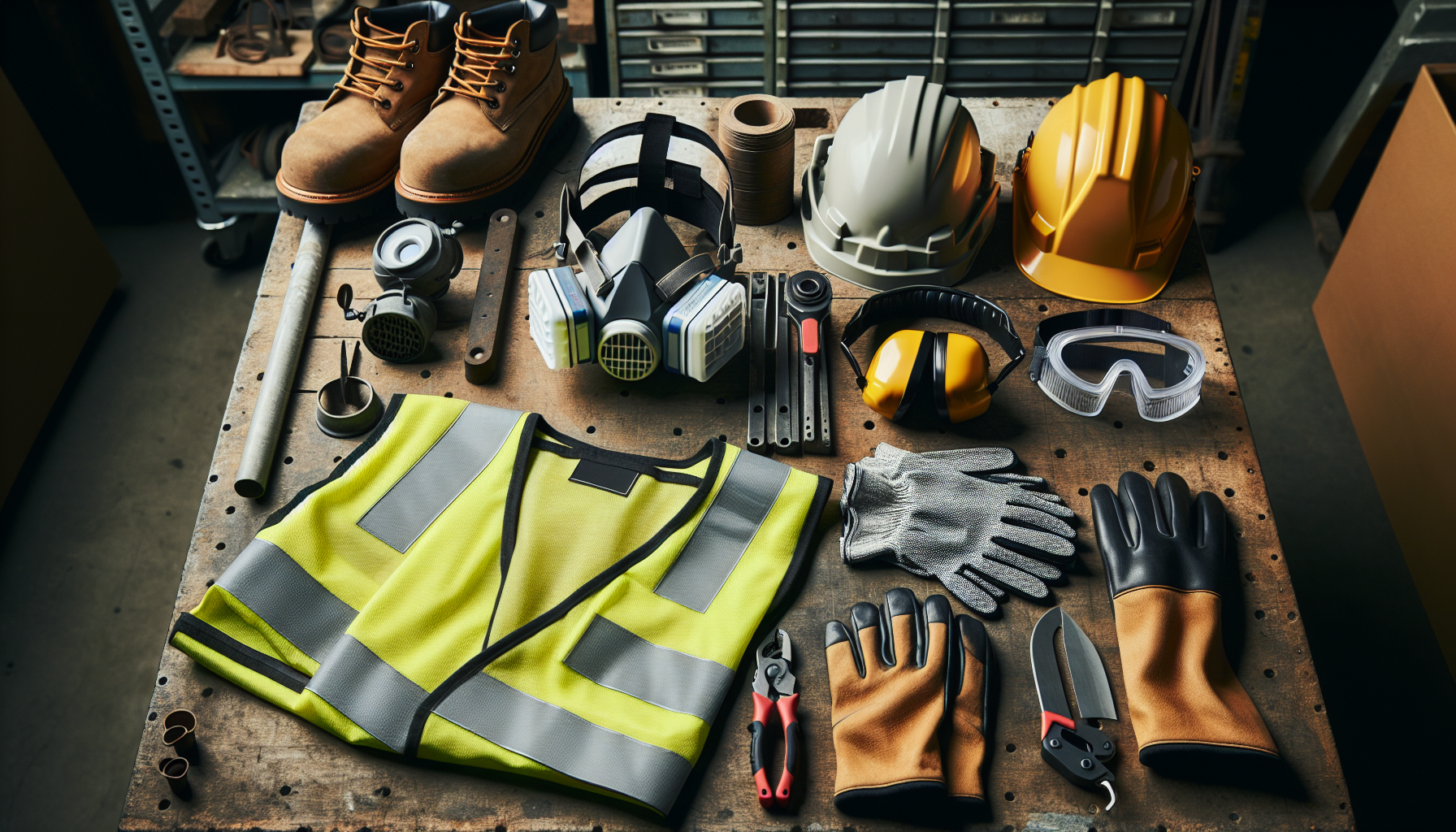
Every concrete cutting operation starts with a safety check. This concrete saw safety checklist covers the pre-cut inspections, PPE requirements, and operational protocols that prevent the most common injuries on cutting jobs.
Pre-Operation Concrete Saw Safety Checklist
Blade Inspection
Before mounting any diamond blade, inspect it for cracks in the steel core (hold the blade up to light and look for hairline fractures), missing or damaged segments, signs of heat damage (blue or purple discoloration near segments), and excessive wobble when spun by hand. Never use a damaged blade. A cracked core or loose segment at operating speed can cause catastrophic blade failure. For more on recognizing blade wear, see Diamond Blade Lifespan Guide.
Saw Inspection
Check the blade guard for damage and proper adjustment. Verify the arbor nut is tight and the blade spins freely without contacting the guard. For gas saws, check fuel level, air filter, and starting mechanism. For battery saws, verify battery charge level. For electric saws, inspect the cord for damage.
Work Area
Clear the cutting area of trip hazards, loose debris, and bystanders. Identify the location of rebar, electrical conduits, plumbing, and gas lines before cutting. Mark the cut line clearly. Ensure adequate ventilation for indoor cutting.
Required PPE for This Concrete Saw Safety Checklist
Eye protection: ANSI Z87.1 rated safety glasses minimum. A full-face shield is recommended for extended cutting, especially dry cutting.
Hearing protection: Concrete saws exceed 100 dB. Use earplugs (NRR 25+) or earmuffs (NRR 20+). Double protection (plugs + muffs) for extended exposure.
Respiratory protection: N95 respirator minimum for wet cutting. Half-face APR with P100 filters for dry cutting. See Silica Dust Safety Guide for full respirator selection guidance.
Hand protection: Cut-resistant gloves (ANSI A4 or higher). Vibration-reducing gloves for extended use with handheld saws.
Foot protection: Steel-toed boots with slip-resistant soles.
Body protection: Long pants, close-fitting clothing (no loose fabric near spinning blades), high-visibility vest on active construction sites.
Operational Safety
Kickback Prevention
Kickback — when the blade binds and the saw jerks back toward the operator — is the most common serious injury with concrete saws. Prevent it by always cutting with the bottom of the blade (never the top), maintaining proper blade guard position, never removing the guard, keeping firm two-handed grip on the saw, and not twisting or binding the blade in the cut.
Dust Control
Concrete dust contains crystalline silica. Follow OSHA Table 1 requirements for your specific task. Walk-behind saws: water to blade. Handheld cut-off saws: water delivery system + respirator. Angle grinders: vacuum shroud + HEPA extractor + respirator.
Blade Speed
Never exceed the blade’s rated maximum RPM. The RPM rating is printed on every blade. Verify your saw’s speed is at or below the blade’s rating before each use. See Diamond Blade RPM Guide.
Refueling
For gas saws: always shut off the engine and let it cool before refueling. Never refuel near sparks, open flames, or hot exhaust. Use approved fuel containers. Wipe up any spills before restarting.
Post-Cut Checklist
Allow the blade to stop completely before setting the saw down. Inspect the blade for new damage after each cutting session. Clean cutting debris from the blade guard and around the arbor. For wet-cutting equipment, drain water systems to prevent freezing and corrosion.
For saw selection guidance, see our Concrete Saw Buying Guide. For blade selection, see the Diamond Blade Buying Guide.
Safety Equipment on Amazon
Search Amazon for the PPE listed in this checklist: “P100 half-face respirator”, “ANSI Z87.1 safety glasses”, “NRR 25 earplugs”, “cut-resistant gloves ANSI A4”, and “steel toe boots”. For diamond blade inspection guidance, see our Diamond Blade Lifespan Guide.
For quality diamond blades, browse Virginia Abrasives on Amazon →
Frequently Asked Questions
What PPE do I need for concrete cutting? ▼
At minimum: ANSI Z87.1 safety glasses, hearing protection (concrete saws exceed 100 dB), steel-toed boots, cut-resistant gloves, and an N95 or better respirator.
How do I inspect a diamond blade before use? ▼
Check for cracks in the steel core, missing or damaged segments, and signs of heat damage (blue/purple discoloration). Spin the blade by hand to check for wobble. Never use a damaged blade.
What's the most common concrete saw accident? ▼
Kickback — when the blade binds in the cut and the saw jerks back toward the operator. Prevent it by maintaining proper blade guard position, cutting with the bottom of the blade, and never removing the guard.
Related Guides
- Concrete Saws: The Complete Buying Guide— Concrete saw buying guide — gas vs electric vs battery, handheld vs walk-behind,…
- How to Cut Concrete with an Angle Grinder— Step-by-step guide to cutting concrete with an angle grinder. Blade selection, d…
- Silica Dust Safety for Concrete Cutting Pros— OSHA silica dust standards for concrete cutting. Table 1 compliance, dust contro…
Shop Virginia Abrasives on Amazon
Diamond blades, cut-off wheels, and grinding tools. U.S. manufactured. Free Prime shipping.
Browse Products →