Diamond vs Abrasive Cut-Off Wheels: Which Is Worth It?
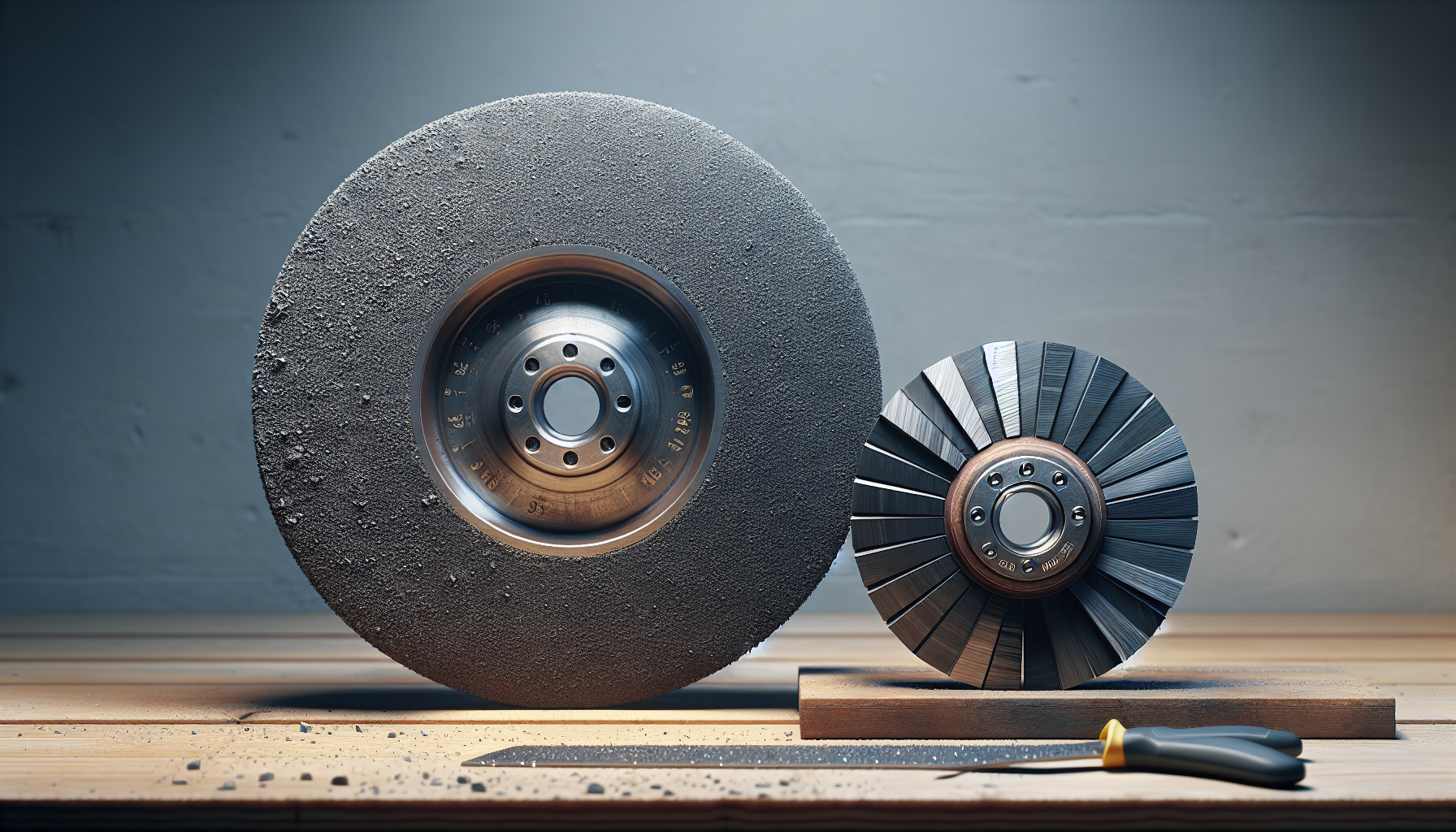
Should you spend $5 on an abrasive wheel or $50 on a diamond wheel? The answer depends on how much cutting you’re doing. This guide breaks down diamond vs abrasive cut-off wheels on cost per cut, performance, safety, and when each type makes sense.
How They Work: Diamond vs Abrasive Cut-Off Wheels
Abrasive wheels are bonded abrasive grains (aluminum oxide or silicon carbide) held together with resin. They grind through material and physically wear away as they cut — the wheel gets smaller with each use until it’s too small to be useful.
Diamond wheels use diamond particles embedded in a metal matrix on a steel core. The diamonds do the cutting while the core maintains its diameter. The diamond rim wears over time, but the wheel doesn’t shrink.
Cost Comparison: Diamond vs Abrasive Cut-Off Wheels
| Factor | Abrasive Wheel | Diamond Wheel |
|---|---|---|
| Price per wheel | $2-8 | $20-100+ |
| Cuts per wheel (concrete) | 10-30 | 500-2,000+ |
| Cost per cut (concrete) | $0.20-0.50 | $0.02-0.10 |
| Cuts per wheel (metal) | 20-60 | 200-1,000+ |
| Cost per cut (metal) | $0.10-0.25 | $0.05-0.15 |
The math is clear: for regular cutting, diamond wheels cost less per cut despite the higher upfront price. The crossover point is typically around 20-50 cuts — if you’ll make more cuts than that over the wheel’s life, diamond is cheaper.
When to Choose Abrasive
Abrasive cut-off wheels make sense when you’re making fewer than 20 cuts, you need a wheel immediately from a nearby store, you’re cutting a variety of materials and need quick wheel changes (different wheels for steel, stainless, concrete), or the upfront cost matters more than per-cut cost.
When to Choose Diamond
Diamond cut-off wheels win when you’re cutting concrete or masonry regularly (the per-cut savings add up fast), you want consistent cutting depth (diamond wheels don’t shrink), you value less downtime from wheel changes, and you’re working on a professional job site where efficiency matters.
Safety Differences
Abrasive wheels have a shelf life (typically 3 years) because the resin bond degrades. Expired wheels can shatter during use. Diamond wheels have no expiration.
Abrasive wheels are more prone to shattering under side pressure. Diamond wheels are more rigid but can lose segments if over-sped.
Both types require full PPE: eye protection, hearing protection, and gloves. For concrete cutting, add a respirator. See Silica Dust Safety Guide.
For our top picks in each category: Best Cut-Off Wheels for Concrete, Best Cut-Off Wheels for Metal, Best 14-Inch Cut-Off Wheels. For the full breakdown, see Cut-Off Wheel Buying Guide.
Our Top Diamond Cut-Off Wheel Picks
| Blade | Best For | Link |
|---|---|---|
| VA 14-inch Ultra Value | Best all-around for cured concrete, block, and general masonry | Check price on Amazon |
| VA 9-inch Ultra Value | For 9-inch angle grinders and cordless cut-off saws | Check price on Amazon |
Frequently Asked Questions
Are diamond cut-off wheels worth the extra cost? ▼
For frequent cutting, yes. A diamond wheel costs 3-5x more upfront but lasts 10-50x longer than an abrasive wheel. For occasional cuts, abrasive wheels are more economical.
Can I use a diamond cut-off wheel on metal? ▼
Some diamond wheels are rated for metal, but most are designed for masonry/concrete. For metal cutting, an abrasive metal cut-off wheel is usually the better choice.
Why do abrasive cut-off wheels wear so fast? ▼
Abrasive wheels are consumable — they physically wear down as they cut, getting smaller with each use. Diamond wheels cut with embedded diamonds on a steel core and maintain their diameter.
Related Guides
- Best 14-Inch Cut-Off Wheels— Best 14-inch cut-off wheels for chop saws and cut-off saws — diamond and abrasiv…
- Best Cut-Off Wheels for Concrete— Best cut-off wheels for concrete on angle grinders and chop saws. Diamond vs abr…
- Cut-Off Wheels: The Complete Buying Guide— Complete cut-off wheel buying guide for concrete and metal. Abrasive vs diamond …
Shop Virginia Abrasives on Amazon
Diamond blades, cut-off wheels, and grinding tools. U.S. manufactured. Free Prime shipping.
Browse Products →