Best Diamond Blades for Cutting Pavers (2026 Reviews)
Matt Lipman is a board member of Virginia Abrasives. This relationship is disclosed for full transparency in our reviews and recommendations.
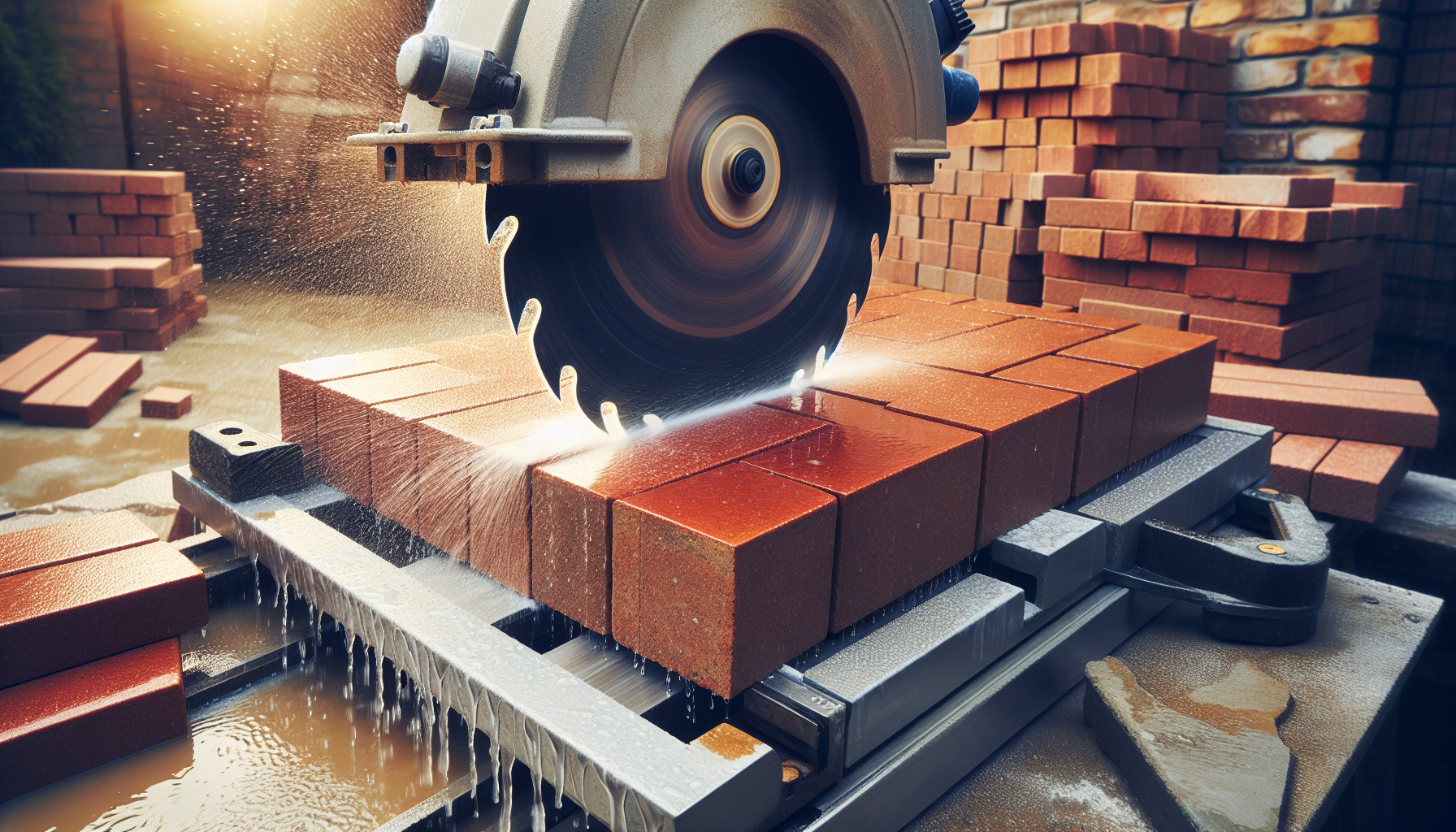
Cutting pavers cleanly requires the right blade for the material — and pavers come in a surprising variety. Clay pavers, concrete pavers, natural stone pavers, and porcelain pavers each behave differently under a diamond blade. This guide covers the best diamond blades for pavers by material type, with picks for both table saws and angle grinders.
Why Pavers Need Specific Blades
Pavers vary widely in hardness and abrasiveness. Clay pavers are highly abrasive (like cutting sandpaper), concrete pavers act like cured concrete, natural stone pavers range from very hard (granite) to very soft (sandstone), and porcelain pavers are extremely hard and chip-prone. A single “universal” blade works on all of them — poorly. Matching the blade to your specific paver material gives you faster cuts, cleaner edges, and longer blade life.
For the underlying science of blade-to-material matching, see our Diamond Blade Buying Guide.
Best Diamond Blades for Pavers: By Material
Concrete Pavers
Concrete pavers behave like cured concrete — medium hardness, moderately abrasive. Use a general-purpose segmented blade with a medium bond. The same blades we recommend for concrete work well here. For table saw work (high-volume paver cutting), invest in a blade with taller segments for longer life.
Clay Pavers and Brick
Clay is highly abrasive — it chews through soft-bond blades quickly. Use a hard-bond segmented blade for clay pavers and brick. This is the same bond principle as cutting asphalt. See Best Diamond Blades for Block & CMU for similar material.
Natural Stone Pavers
Match the bond to the stone type. Granite pavers: soft-bond continuous rim for clean edges. Sandstone/limestone pavers: harder bond, segmented or turbo. See Best Diamond Blades for Natural Stone.
Porcelain Pavers
Porcelain is extremely hard and dense. The only reliable option is a continuous rim blade with a very soft bond and fine diamond grit, used wet. See Best Diamond Blades for Porcelain Tile.
By Tool: Table Saw vs. Angle Grinder
Masonry table saw (14” or 20”): For high-volume paver cutting, use a premium segmented or turbo blade matched to your paver material. Run wet. A turbo rim gives cleaner edges than segmented — important for visible paver faces.
Angle grinder (4.5” or 7”): For field cuts, trimming, and detail work. Use a turbo blade for the best balance of speed and edge quality. A segmented blade cuts faster but leaves rougher edges.
Tips for Clean Paver Cuts
Score first, then cut through. A shallow scoring pass creates a guide channel that prevents chipping on the visible face.
Cut face-up. Place the paver with the visible face up. Chipping is worst on the exit side of the blade, so cutting face-up keeps the best edge on the visible surface.
Use water when possible. Wet cutting reduces chipping, extends blade life, and produces cleaner edges on all paver types.
For more on blade types and when to use each, see Segmented vs Continuous vs Turbo. For blade longevity, see Diamond Blade Lifespan Guide.
Recommended Blades for Paver Cutting
| Blade | Best For | Link |
|---|---|---|
| VA 14-inch Ultra Value | Best all-around for cured concrete, block, and general masonry | Check price on Amazon |
| VA 9-inch Ultra Value | For 9-inch angle grinders and cordless cut-off saws | Check price on Amazon |
Frequently Asked Questions
What diamond blade is best for cutting pavers? ▼
For brick and concrete pavers, a segmented blade with a medium-to-hard bond works best. For natural stone pavers, match the bond to the stone hardness — soft bond for granite, harder bond for sandstone and limestone.
Can I cut pavers with an angle grinder? ▼
Yes — a 4.5-inch or 7-inch diamond blade on an angle grinder handles most paver cutting. Use a segmented blade for rough cuts and a turbo blade for cleaner edges.
Should I wet cut pavers? ▼
Wet cutting produces cleaner edges and less dust. If you're using a masonry table saw, always cut wet. For angle grinder work on pavers, dry cutting is standard but wear a respirator.
Related Guides
- Best Diamond Blades for Cutting Concrete— Best diamond blades for concrete in every size — 4" to 20". Good, Better, Best p…
- Diamond Blades: The Complete Buying Guide— Complete diamond blade buying guide covering bond types, segment styles, sizes, …
- Diamond Blade Lifespan: How Long Should It Last?— Diamond blade lifespan explained. Factors that affect wear, expected cutting fee…
Shop Virginia Abrasives on Amazon
Diamond blades, cut-off wheels, and grinding tools. U.S. manufactured. Free Prime shipping.
Browse Products →