Best Diamond Blades for Natural Stone (2026)
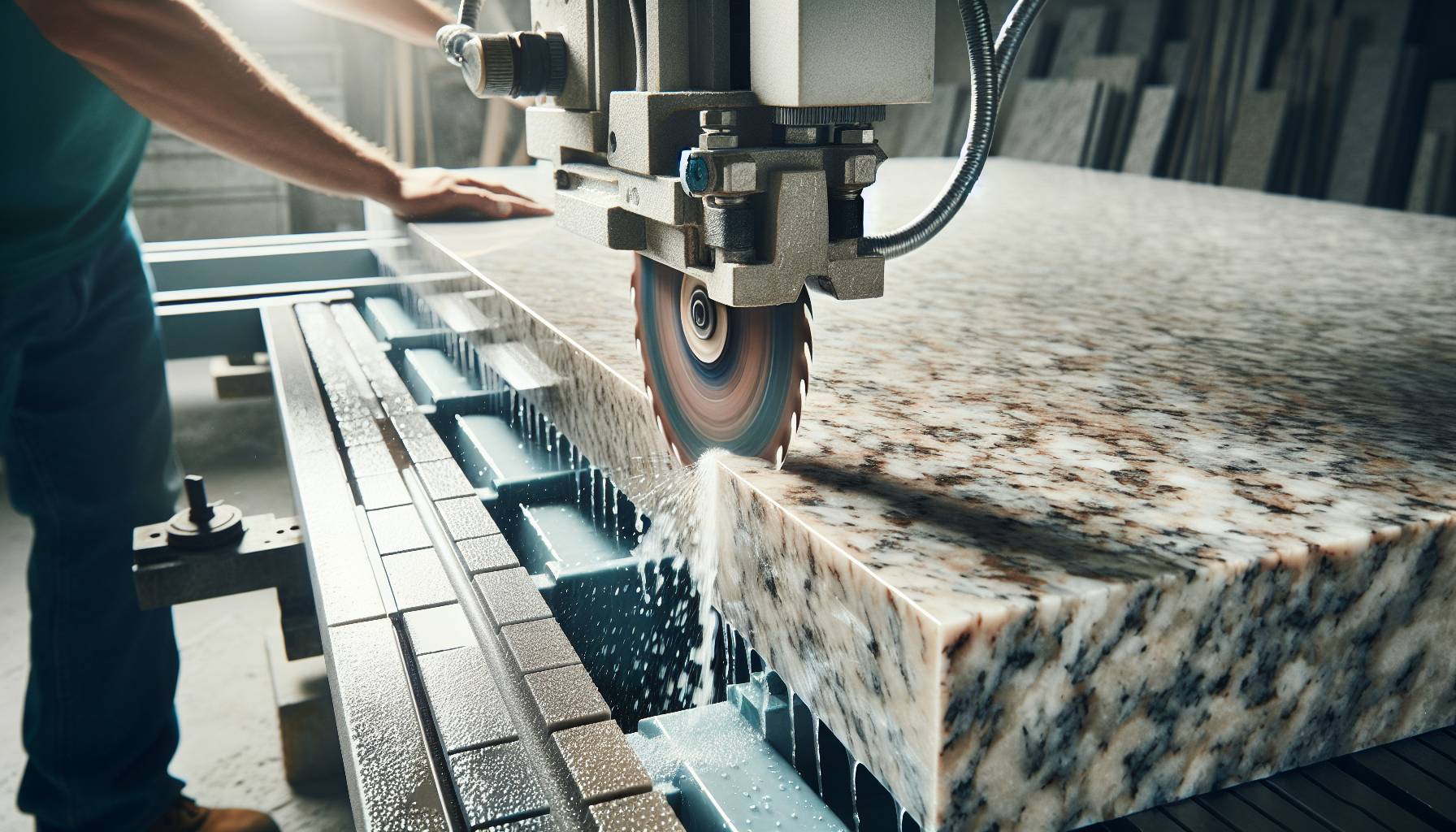
Natural stone spans an enormous range of hardness — from ultra-hard granite to soft sandstone. Each stone type requires a different diamond blade bond and rim configuration. This guide covers the best diamond blades for natural stone including granite, marble, limestone, sandstone, and slate.
Bond Matching for Natural Stone
The fundamental rule: hard stone needs soft bond, soft stone needs hard bond. This is the same principle as all diamond blade selection, but it matters even more with natural stone because the hardness range is extreme.
| Stone Type | Hardness | Bond Needed | Rim Type |
|---|---|---|---|
| Granite | Very hard | Very soft | Continuous rim |
| Marble | Medium-hard | Medium-soft | Continuous rim |
| Slate | Medium | Medium | Segmented or turbo |
| Limestone | Medium-soft | Medium-hard | Segmented or turbo |
| Sandstone | Soft (abrasive) | Hard | Segmented |
For the science behind bond matching, see our Diamond Blade Buying Guide.
Best Diamond Blades for Natural Stone: By Stone Type
Granite
Granite is the hardest common natural stone. Use a soft-bond continuous rim blade with high diamond concentration. Always cut wet — dry cutting granite generates extreme heat that damages both the blade and the stone. For polishing granite after cutting, see Best Polishing Pads for Granite.
Marble
Softer than granite, marble still requires a continuous rim for clean edges without chipping. A medium-soft bond works best. Cut wet for best results. Marble is more sensitive to heat than granite — watch for discoloration near the cut edge.
Limestone and Sandstone
These softer stones are abrasive and wear blade segments quickly. Use a harder bond segmented or turbo blade. These stones can be cut dry for short cuts, but wet cutting extends blade life significantly. See Best Diamond Blades for Pavers — many paver blades work well on limestone.
Slate
Slate is medium hardness and tends to chip along its natural cleavage planes. A turbo blade provides the best balance of cutting speed and edge quality. Score the face first, then cut through to minimize chipping.
Wet Cutting Is Essential for Natural Stone
Almost all natural stone cutting should be done wet. Water prevents heat damage to the stone surface, extends blade life, and reduces chipping. For tile-sized stone pieces, a wet tile saw is the standard tool. For larger slabs, a handheld cut-off saw with water kit or a bridge saw handles the job. For more on wet vs. dry, see Wet vs Dry Cutting Concrete.
Recommended Blades for Softer Natural Stone (Limestone, Sandstone)
| Blade | Best For | Link |
|---|---|---|
| VA 14-inch Ultra Value | Best all-around for cured concrete, block, and general masonry | Check price on Amazon |
Frequently Asked Questions
What diamond blade do I need for granite? ▼
Granite is extremely hard and non-abrasive — use a soft-bond continuous rim blade with high diamond concentration. Always cut wet.
Can I use a concrete blade on natural stone? ▼
Not recommended. Concrete blades have a harder bond that will glaze on hard stone like granite. Softer stones like limestone may work, but a stone-specific blade gives much better results.
What's the difference between cutting granite and marble? ▼
Granite is much harder and requires a soft-bond blade. Marble is softer and can use a medium-bond blade. Both should be cut wet with a continuous rim blade for clean edges.
Related Guides
- Best Diamond Blades for Porcelain Tile (2026)— Best diamond blades for porcelain tile — continuous rim blades that cut clean wi…
- Best Diamond Blades for Cutting Pavers (2026 Reviews)— Best diamond blades for pavers — clean cuts on brick, concrete pavers, and natur…
- Diamond Blades: The Complete Buying Guide— Complete diamond blade buying guide covering bond types, segment styles, sizes, …
Shop Virginia Abrasives on Amazon
Diamond blades, cut-off wheels, and grinding tools. U.S. manufactured. Free Prime shipping.
Browse Products →