How to Fix a Glazed Diamond Blade
Matt Lipman is a board member of Virginia Abrasives. This relationship is disclosed for full transparency in our reviews and recommendations.
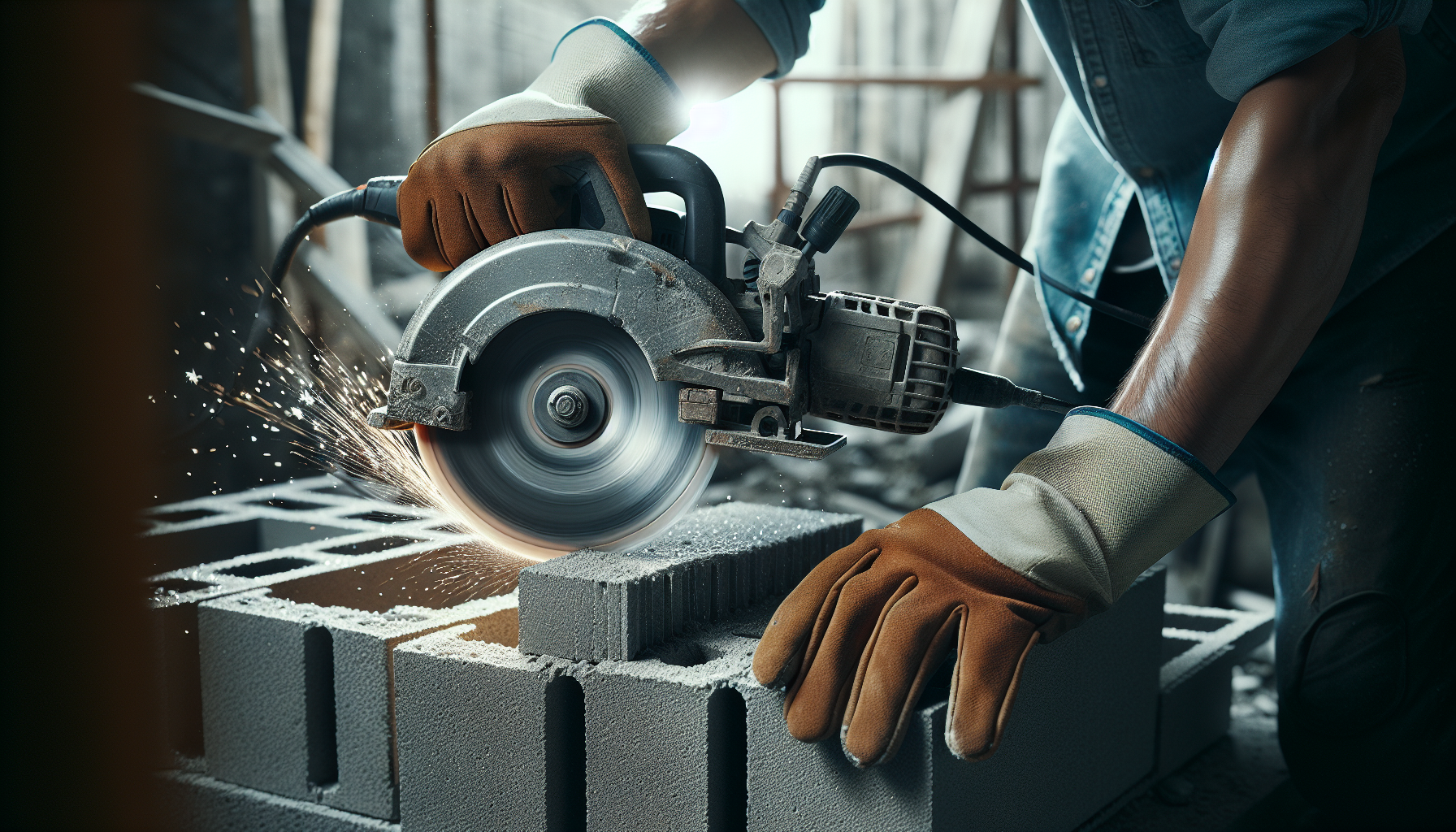
A glazed diamond blade looks polished and smooth where it should look rough and gritty. When a blade glazes, it stops cutting — the operator has to push harder, the saw bogs down, and the cut barely progresses. The good news: a glazed diamond blade is usually fixable in minutes. This guide explains why glazing happens, how to fix it, and how to prevent it.
What Is a Glazed Diamond Blade?
A glazed diamond blade has a smooth, polished segment surface instead of the rough, gritty surface of a working blade. The metal bond matrix has smeared over the exposed diamonds, sealing them beneath a smooth layer. Without exposed diamond cutting edges, the blade can’t grind through material — it just spins and generates heat.
Why Diamond Blades Glaze
Wrong Bond for the Material
The most common cause. If the blade bond is too hard for the material being cut, the material doesn’t wear the bond fast enough to expose fresh diamonds. The existing diamonds go dull, and the bond smears over them. This typically happens when you use a hard-bond blade (designed for soft materials like asphalt) on hard material (like cured concrete or granite). For bond matching, see our Diamond Blade Buying Guide.
RPM Too Slow
If the blade isn’t spinning fast enough, it doesn’t generate sufficient friction to maintain the self-sharpening cycle. The bond matrix doesn’t erode, and the diamonds dull without being replaced. See our Diamond Blade RPM Guide.
Feed Rate Too Light
Barely touching the blade to the material — cutting too gently — doesn’t apply enough pressure to wear the bond and expose new diamonds. This is common with inexperienced operators who are afraid of pushing too hard.
Material Change
Switching from a soft material (asphalt, green concrete) to a hard material (cured concrete, granite) without changing blades can cause immediate glazing. The hard material doesn’t wear the hard-bond blade designed for the softer material.
How to Fix a Glazed Diamond Blade
Step 1: Identify the Glazing
Run your finger across the diamond segments. A working blade feels rough and gritty — you can feel the exposed diamond particles. A glazed blade feels smooth, almost polished. If the segments look shiny and the blade has been cutting poorly, it’s glazed.
Step 2: Dress the Blade
Make 3-5 short cuts (6-12 inches each) through abrasive material. The best options are concrete block (CMU), sandstone, old cinder block, a dedicated blade dressing stick (available from blade manufacturers), and soft brick.
The abrasive material wears away the smooth bond surface, exposing fresh diamonds beneath. You should notice improved cutting performance immediately — even on the first cut after dressing.
Step 3: Test
After dressing, make a test cut in your target material. The blade should cut noticeably faster with less pressure required. If the blade still doesn’t cut well after dressing, the problem may be more serious — see “When Dressing Doesn’t Work” below.
When Dressing Doesn’t Work
If dressing doesn’t restore cutting performance, the blade may have one of these issues:
Heat damage: Blue or purple discoloration on the steel core near the segments indicates the brazing has been weakened by excessive heat. Segments may crack or separate under load. Replace the blade.
Worn segments: If segments are worn below 2-3mm in height, there aren’t enough diamonds remaining to cut effectively. No amount of dressing will help. Replace the blade. See Diamond Blade Lifespan Guide.
Fundamentally wrong blade: If you’re consistently glazing a blade on the same material, the bond is wrong. Switch to a softer bond blade for hard materials. See Best Diamond Blades for Concrete for correct bond matching.
How to Prevent Glazing
Match the bond to the material. Hard materials need soft bond, soft materials need hard bond. This is the single most effective prevention.
Run at the correct RPM. Check your saw speed against the blade’s rated RPM. See Diamond Blade RPM Guide.
Apply adequate feed pressure. Don’t baby the blade — let it engage the material with steady, moderate pressure.
Change blades when changing materials. If you’re cutting asphalt with a hard-bond blade and then switching to cured concrete, change to a softer-bond blade for the concrete.
For more on blade maintenance and longevity, see our Diamond Blade Lifespan Guide and Wet vs Dry Cutting.
Replacement Blades (When Dressing Doesn’t Work)
| Blade | Best For | Link |
|---|---|---|
| VA 14-inch Ultra Value | Best all-around for cured concrete, block, and general masonry | Check price on Amazon |
| VA 14-inch BD Asphalt/Green Concrete | Hard bond for asphalt, green concrete, and soft materials | Check price on Amazon |
Frequently Asked Questions
Why did my diamond blade glaze over? ▼
Glazing happens when the blade bond is too hard for the material, the RPM is too slow, or the feed rate is too light. The bond smears over the diamonds instead of eroding to expose fresh cutting edges.
How do I dress a glazed diamond blade? ▼
Make 3-5 short cuts through abrasive material like concrete block, sandstone, or a blade dressing stick. This wears away the polished bond surface and re-exposes fresh diamonds.
When should I replace a glazed blade instead of dressing it? ▼
Replace the blade if segments are worn below 2-3mm, if dressing doesn't restore cutting speed, or if you see blue/purple discoloration on the steel core (heat damage).
Related Guides
- Best Diamond Blades for Cutting Concrete— Best diamond blades for concrete in every size — 4" to 20". Good, Better, Best p…
- Diamond Blades: The Complete Buying Guide— Complete diamond blade buying guide covering bond types, segment styles, sizes, …
- Diamond Blade Lifespan: How Long Should It Last?— Diamond blade lifespan explained. Factors that affect wear, expected cutting fee…
Shop Virginia Abrasives on Amazon
Diamond blades, cut-off wheels, and grinding tools. U.S. manufactured. Free Prime shipping.
Browse Products →