How to Fix a Glazed Diamond Blade
Matt Lipman is CEO of Capstone Holdings Corp. (NASDAQ: CAPS) and a board member of Virginia Abrasives. He discloses this relationship for full transparency in our reviews.
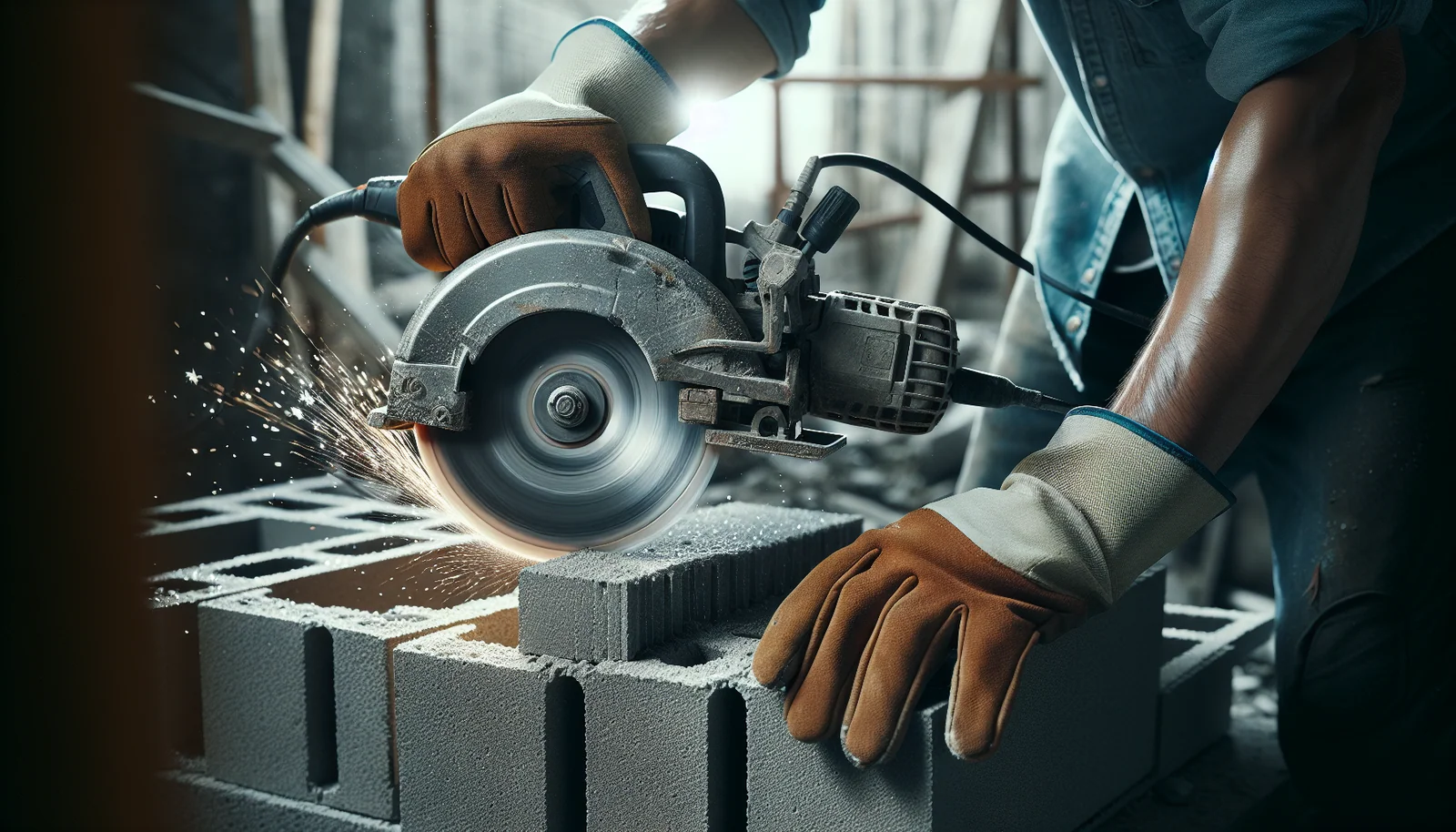
Table of Contents
- The Short Answer
- What Is a Glazed Diamond Blade?
- Why Diamond Blades Glaze
- Wrong Bond for the Material
- RPM Too Slow
- Feed Rate Too Light
- Material Change
- Cutting Too Wet or Dry
- How to Fix a Glazed Diamond Blade
- Step 1: Confirm It’s Glazing
- Step 2: Choose Abrasive Material for Dressing
- Step 3: Make the Dressing Cuts
- Step 4: Test on Target Material
- When Dressing Doesn’t Work
- Heat Damage
- Worn Segments
- Fundamentally Wrong Blade
- Core Damage
- How to Prevent Glazing
- Match Bond to Material
- Maintain Correct RPM
- Apply Adequate Feed Pressure
- Switch Blades Between Materials
- Carry a Dressing Stick or Spare Block
- Cost of Glazing
- Replacement Blades (When Dressing Doesn’t Work)
A glazed diamond blade has a smooth, polished segment surface where it should look rough and gritty. Glazing is the #1 reason diamond blades stop cutting — the bond matrix has smeared over the diamonds and sealed them beneath a polished layer. The good news: glazing is usually fixable in minutes with 3-5 short cuts through abrasive material. This guide covers the causes, the dressing technique, and when a blade is beyond recovery.
The Short Answer
- Diagnose: segments feel smooth (not gritty), saw bogs down, cuts barely progress
- Fix: make 3-5 short cuts (6-12 inches) through cinder block, sandstone, or a blade dressing stick
- Verify: test cut on target material — cutting performance should return immediately
- Retire the blade if: segments worn below 2-3mm, blue/purple discoloration on steel core, cracked segments, or dressing doesn’t restore cutting
- Prevent: match bond to material, correct RPM, adequate feed pressure, switch blades when changing materials
What Is a Glazed Diamond Blade?
A working diamond blade has a rough, gritty segment surface with visible exposed diamond particles. Run your finger across the segments (carefully) — you can feel the individual diamond grits sticking up from the metal bond. The blade cuts by grinding — the diamonds scratch and pulverize the material while the bond matrix erodes to expose new diamonds (the “self-sharpening cycle”).
A glazed blade has a smooth, polished segment surface. The metal bond has smeared over the exposed diamonds, sealing them beneath a shiny layer. Without exposed diamond cutting edges, the blade can’t grind — it just spins against the material, generating heat instead of progress.
Symptoms of a glazed blade:
- Segments feel smooth instead of gritty
- Saw bogs down during cuts that used to be easy
- Sparks appearing on concrete (should never happen on a working blade)
- Blade running much hotter than usual
- Cut depth not increasing despite normal feed pressure
Why Diamond Blades Glaze
Wrong Bond for the Material
The most common cause. Bond hardness must match material hardness — in reverse. Hard materials (cured concrete, granite) need soft bonds. Soft materials (asphalt, green concrete, sandstone) need hard bonds.
Using a hard-bond blade (designed for asphalt or green concrete) on a hard material (cured concrete, granite) is the textbook glazing scenario. The hard material doesn’t wear the hard bond fast enough, so the bond doesn’t erode to expose new diamonds. The existing diamonds dull, and the bond smears over them.
For the bond-matching science in full, see our Diamond Blade Buying Guide.
RPM Too Slow
Every diamond blade has a recommended RPM range. Running well below the rated speed reduces friction at the cutting edge, which slows the self-sharpening cycle. The bond doesn’t erode fast enough, and diamonds dull without being replaced.
Common causes of low RPM: gas saw running below full throttle, cordless saw on a depleted battery, belt-driven walk-behind saw with slipping belt.
See Diamond Blade RPM Guide for specific RPM charts by blade size and saw type.
Feed Rate Too Light
Barely touching the blade to the material — “babying” the blade — produces inadequate pressure to wear the bond. This is common with new operators who are afraid of pushing too hard and breaking the blade.
The right feed rate: moderate, steady pressure. The blade should be cutting, not gliding over the surface. If the saw feels effortless, you’re probably not applying enough pressure.
Material Change
Switching materials without changing blades is a fast path to glazing. Cutting asphalt with a hard-bond blade, then moving to cured concrete with the same blade: the hard bond was fine on the abrasive asphalt, but on non-abrasive cured concrete it glazes within minutes.
Rule of thumb: match the blade to the material being cut right now, not the next material you’ll cut.
Cutting Too Wet or Dry
Dry-cutting materials that should be wet (large-diameter walk-behind blades on concrete) causes heat buildup that accelerates glazing. Wet-cutting blades that should be dry (angle grinder blades) is a safety hazard but can also cause glazing if the water displaces the abrasive debris that normally wears the bond.
Match wet/dry rating to the blade spec and cutting situation. See Wet vs. Dry Cutting Concrete.
How to Fix a Glazed Diamond Blade
Step 1: Confirm It’s Glazing
Run your finger carefully across the segments (on a cool, stopped blade). A working blade feels rough and gritty. A glazed blade feels smooth, almost polished.
Visual inspection: glazed segments look shiny; working segments look matte and dull-gray.
Rule out other problems:
- Worn segments (segments below 2-3mm): not glazing — blade is simply worn out
- Heat damage (blue/purple core discoloration): not glazing — blade is retired
- Cracked segments (visible cracks or missing pieces): not glazing — blade is retired
- Core warping (blade wobbles at speed): not glazing — blade is retired
Step 2: Choose Abrasive Material for Dressing
Best options, in rough order of preference:
- Concrete block (CMU) — the contractor standard, always available on masonry jobs
- Sandstone — purpose-abrasive, readily found as landscape stone
- Soft brick — works well, especially clay brick
- Cinder block — similar to CMU, widely available
- Dedicated blade dressing stick — manufacturer-sold, cleanest option for shop work
- Old dry concrete — abrasive but may be less effective than softer materials
Avoid: hard stone (granite, quartz), finished/sealed concrete (too smooth), asphalt (too soft — won’t abrade the bond).
Step 3: Make the Dressing Cuts
Mount the glazed blade normally. Make 3-5 short cuts (6-12 inches each) through the abrasive material. Cut at normal feed rate — don’t force the blade, but don’t baby it either.
The abrasive material wears away the smooth bond surface, exposing fresh diamonds beneath. You’ll see increasing debris (dust or slurry) as the dressing takes effect.
Step 4: Test on Target Material
After dressing, make a test cut in the material you were originally cutting. The blade should cut noticeably faster with less pressure required.
If the blade is back to normal: done. Continue working.
If cutting is still slow: one of the “When Dressing Doesn’t Work” situations below applies.
When Dressing Doesn’t Work
Heat Damage
Blue or purple discoloration on the steel core near the segments indicates the brazing (the metal bond holding segments to the core) has been weakened by excessive heat. Segments may crack or separate under load — a serious safety hazard at operating RPM.
Action: retire the blade. No amount of dressing repairs heat damage.
Prevention: avoid forcing glazed blades — that’s what causes the heat damage in the first place. Dress as soon as glazing starts, don’t keep forcing cuts.
Worn Segments
If segments are worn below 2-3mm of remaining height, there aren’t enough diamonds left to cut effectively. Dressing won’t help because there’s nothing to expose.
Action: replace the blade. See Diamond Blade Lifespan Guide.
Fundamentally Wrong Blade
If you’re dressing the same blade repeatedly on the same material, the bond is wrong for the material. Dressing is a fix for occasional glazing, not a workaround for a mismatched blade.
Action: switch to a blade with the correct bond for the material. Hard materials need soft bonds; soft abrasive materials need hard bonds.
Core Damage
Warped core, cracks, or missing segments indicate mechanical failure. Dressing won’t help.
Action: retire the blade. A damaged blade at operating RPM is dangerous.
How to Prevent Glazing
Match Bond to Material
The single most effective prevention. Review the blade’s labeled material compatibility against what you’re cutting:
- Cured concrete, granite, dense stone: soft-to-medium bond
- Green concrete, asphalt, sandstone, soft limestone: hard bond
- Reinforced concrete with heavy rebar: “combo” or “multi-purpose” with appropriate bond
For specific picks, see Best Diamond Blades for Concrete, Best Diamond Blades for Asphalt.
Maintain Correct RPM
Check your saw’s rated speed against the blade’s recommended RPM range. Gas saws running below full throttle, battery saws on depleted batteries, and belt-driven saws with slipping belts all cause low-RPM glazing.
For RPM charts by blade size and saw type see Diamond Blade RPM Guide.
Apply Adequate Feed Pressure
Don’t baby the blade. Steady moderate pressure keeps the self-sharpening cycle active. If the saw feels effortless, push harder. If the saw is bogging, check for glazing before pushing harder.
Switch Blades Between Materials
Keep separate blades for concrete, asphalt/green concrete, and specialty materials. Carrying two blades costs $100-200; glazing a premium blade costs the same and wastes a work session.
For cured concrete and asphalt on the same job, a reasonable two-blade kit:
- VA 14″ Ultra Value for cured concrete, block, and general masonry ($69.99)
- VA 14″ BD Asphalt / Green Concrete for asphalt and green concrete (about $63)
Carry a Dressing Stick or Spare Block
If you frequently transition between materials or cut in variable conditions, keep a dressing stick or spare cinder block on the truck. Dressing early keeps small glazing from becoming severe.
Cost of Glazing
Glazing is not just an inconvenience — it costs real money if left unaddressed:
- Wasted work time: each re-cut on a glazed blade wastes 2-5× the normal time per foot
- Accelerated blade wear: forced cuts on glazed blades overheat segments and shorten blade life
- Ruined premium blades: a premium blade forced on mismatched material can be permanently damaged by heat
- Safety risk: heat-damaged brazing can fail during operation, launching segments at high velocity
Dressing takes 2-5 minutes. The math favors dressing early.
Replacement Blades (When Dressing Doesn’t Work)

Virginia Abrasives 14″ Ultra Value Diamond Blade
Medium bond, segmented rim, fits every major 14″ cut-off saw. Standard replacement for cured concrete and general masonry work.
★★★★☆ 4.2 (10 ratings on Amazon)
$69.99
Buy on Amazon →| Blade | Best For | Link |
|---|---|---|
| VA 14″ Ultra Value | Cured concrete, block, general masonry | Amazon |
| VA 14″ BD Asphalt/Green | Asphalt, green concrete, abrasive material | Amazon |
| VA 14″ Premium Sparkie | Reinforced concrete, production work | Amazon |
Browse the full Virginia Abrasives lineup on Amazon →
For more on blade maintenance and longevity, see Diamond Blade Lifespan Guide. For blade selection fundamentals, see Diamond Blade Buying Guide. For the wet/dry decision that affects glazing risk, see Wet vs. Dry Cutting Concrete.
Frequently Asked Questions
Why did my diamond blade glaze over? ▼
Four common causes: (1) wrong bond for the material — hard-bond blade on hard concrete won't erode fast enough to expose fresh diamonds, (2) RPM too slow — saw not maintaining the self-sharpening cycle, (3) feed rate too light — inadequate pressure to wear the bond, (4) material change — switching from soft material to hard material without changing blades. Bond mismatch is the most common.
How do I dress a glazed diamond blade? ▼
Make 3-5 short cuts (6-12 inches each) through abrasive material — cinder block (CMU), sandstone, soft brick, or a dedicated blade dressing stick. The abrasive wears away the smooth bond surface and re-exposes fresh diamonds. You should notice improved cutting performance immediately — often within the first re-cut on target material.
When should I replace a glazed blade instead of dressing it? ▼
Replace the blade if: (1) segments are worn below 2-3mm of remaining height, (2) dressing doesn't restore cutting speed, (3) you see blue or purple discoloration on the steel core (heat damage to the brazing), (4) segments are cracked or missing, or (5) the core shows warping or runout over 0.005 inches.
Can a glazed blade be dangerous? ▼
Yes — a glazed blade that's been forced under heavy load may have overheated the brazing holding segments to the core. Heat-damaged brazing can fail during cutting, launching segments at high velocity. If a glazed blade has been run hot (blue/purple core discoloration), retire it regardless of remaining segment depth.
How long does dressing take? ▼
Two to five minutes of cutting through abrasive material. A glazed blade typically recovers full cutting performance after 3-5 short passes through a cinder block. Severe glazing may need longer — if the blade isn't improving after 10 minutes of dressing, the problem is more serious than glazing (heat damage, worn segments, or wrong blade).
What's a dressing stick and do I need one? ▼
A blade dressing stick is a purpose-made abrasive block (usually silicon carbide or aluminum oxide) sold by blade manufacturers. They work well but cost $20-50. For most contractors, a spare cinder block or old sandstone piece on the job site works just as well. The dressing stick is cleaner and more consistent for indoor shop work.
Can I prevent glazing entirely? ▼
Not entirely — some glazing is normal over a blade's life. But you can dramatically reduce it by: matching bond to material (hard material = soft bond), running correct RPM (check the blade's rated speed against saw speed), applying adequate feed pressure (don't baby the blade), switching blades between materials (don't cut concrete with an asphalt-rated blade or vice versa).
Related Guides
- Best Diamond Blades for Concrete— Best diamond blades for concrete sold on Amazon, with specs and per-foot math, p…
- Diamond Blades: The Complete Buying Guide— Complete diamond blade buying guide covering bond types, segment styles, sizes, …
- Diamond Blade Lifespan: How Long Should It Last?— How long do diamond blades last? Expected cutting feet by blade type, 5 factors …
- What RPM Should You Run a Diamond Blade? (Speed Guide)— Diamond blade RPM guide with max-speed chart by blade size, saw type, and bond. …
- Wet vs Dry Cutting Concrete: Which Is Better?— Wet vs dry cutting concrete — blade life, dust control, OSHA silica compliance, …
Shop Virginia Abrasives on Amazon
Diamond blades, cut-off wheels, and grinding tools, sold on Amazon.
Browse Products →